

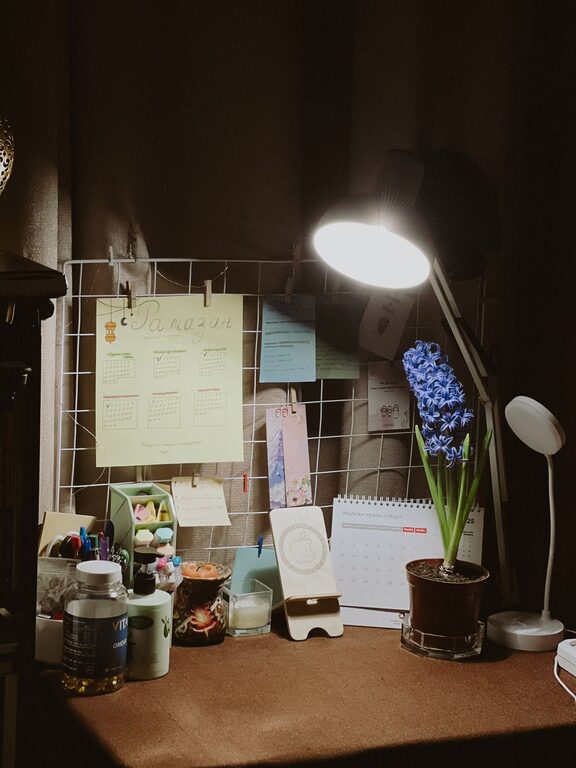
Creating a cozy and inviting home workspace is essential for maintaining productivity and comfort, especially as more people work remotely. A thoughtfully designed workspace can help you feel motivated, focused, and relaxed throughout your workday. Whether you have a spare room, a corner of your living room, or a nook in your bedroom, there are simple ways to transform that area into a welcoming place where you enjoy spending time.
In this post, we’ll explore practical tips and ideas to help you create a home workspace that feels cozy, functional, and inspiring.
Choose the Right Location
Finding the right spot for your workspace is the first step. Consider areas in your home that:
– Receive natural light: Sunlight can boost mood and energy.
– Are relatively quiet: Minimizing distractions helps with concentration.
– Have enough space: Make sure there’s room for your desk, chair, and storage.
If space is limited, a small corner with a compact desk can work well. The goal is to pick a place where you feel comfortable and can focus.
Invest in Comfortable Furniture
Comfort is key when you spend several hours at your desk. Here’s how to set up an ergonomic workspace:
– Desk: Choose a desk with enough surface area for your computer, supplies, and any additional items you need.
– Chair: A supportive chair with adjustable height and good back support reduces strain.
– Footrest: Consider a footrest for additional comfort if your feet don’t rest flat on the floor.
These elements reduce fatigue and help you maintain good posture during work.
Use Warm and Inviting Colors
Color affects mood and productivity. For a cozy workspace:
– Use warm, soft colors like beige, soft greens, muted blues, or pastels.
– Avoid overly bright or harsh colors that may cause eye strain or anxiety.
– Incorporate color accents with accessories such as cushions, rugs, or artwork.
Soft, neutral colors create a soothing environment that promotes focus.
Control Lighting
Good lighting is important to reduce eye strain and create a pleasant atmosphere.
– Maximize natural light by positioning your desk near windows.
– Use adjustable task lighting like desk lamps with warm bulbs.
– Avoid harsh overhead fluorescent lights when possible.
– Dim ambient lighting in the evenings to create a relaxing mood.
Layering different light sources helps you customize the lighting for different tasks.
Keep It Organized and Clutter-Free
An organized workspace fosters productivity and calm.
– Use storage solutions like shelves, drawers, or bins to keep supplies tidy.
– Limit items on your desk to essentials only.
– Create a filing system for paperwork to reduce clutter.
– Regularly declutter your area to maintain order.
Keeping your space neat allows your mind to focus on work, not mess.
Add Personal Touches
Making your workspace welcoming means adding elements that reflect your style and make you feel at home.
– Display photos, artwork, or inspirational quotes.
– Include plants to add greenery and improve air quality.
– Use cozy textiles like a soft throw blanket or cushion.
– Choose desk accessories that you enjoy using.
Personal touches can boost happiness and motivation throughout the day.
Incorporate Greenery
Plants are a wonderful addition to any home workspace.
– Choose plants that require low maintenance, such as succulents or pothos.
– Place plants where they receive indirect light.
– Use plants to add color and life without cluttering your desk.
Studies show that having plants nearby can reduce stress and increase productivity.
Manage Noise Levels
Depending on your environment, external noise can be distracting.
– Use noise-canceling headphones or calming background music to maintain focus.
– Consider rugs, curtains, or soft furnishings to absorb sound.
– If possible, close doors or use room dividers to separate your workspace.
A quieter environment helps maintain concentration and reduces stress.
Create a Routine and Dedicated Work Hours
Part of having an inviting workspace is feeling ready to work when you sit down.
– Set regular work hours to establish boundaries.
– Begin your day with a small routine, like arranging your desk or brewing coffee.
– End your day by tidying your workspace, signaling that work time is over.
This routine helps you mentally switch between “work” and “home” modes.
Final Thoughts
Designing a cozy and inviting home workspace doesn’t have to be complicated or expensive. By focusing on comfort, organization, natural elements, and personalization, you can create a space that not only looks good but also supports your work habits. Remember, the best workspace is one where you feel happy and productive.
Start small by making a few changes, and gradually adapt your area to fit your needs and preferences. With a little effort, your home workspace can become a haven for creativity and focus.