

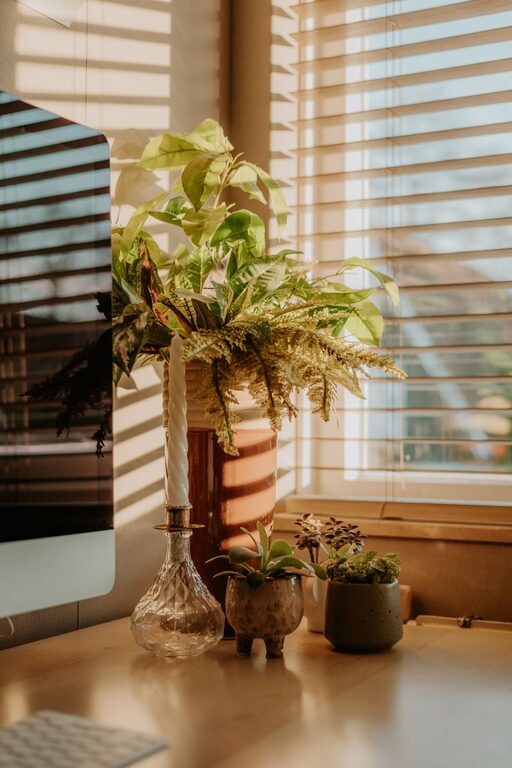
Creating a relaxing home workspace is essential for boosting productivity and maintaining a healthy work-life balance. Since many of us spend a significant amount of time working from home, designing a space that promotes calm and focus can make a big difference in how we perform and feel throughout the day. In this post, we’ll explore practical tips to help you create a workspace that keeps you relaxed, comfortable, and productive.
Why a Relaxing Workspace Matters
Your workspace directly affects your mood and efficiency. A cluttered or uncomfortable area can cause stress and distractions, while an inviting and organized environment encourages focus and creativity. When your workspace is relaxing, you’re more likely to enjoy your work, stay motivated, and avoid burnout.
Choose the Right Location
Start by selecting the best spot in your home for your workspace.
– Natural Light: Choose a place with plenty of natural light. Sunlight helps regulate your body clock and boosts your energy.
– Quiet Environment: Pick a low-traffic area where you can concentrate without too many interruptions.
– Space to Move: Make sure there’s enough room for your desk, chair, and possibly some storage or plants.
Invest in Comfortable Furniture
Comfort is key for long hours of work.
– Ergonomic Chair: Choose a chair that supports your lower back and encourages good posture.
– Adjustable Desk: Consider a desk that lets you switch between sitting and standing to reduce fatigue.
– Proper Desk Height: Ensure your desk height fits your chair to keep your wrists and arms comfortable.
Keep Your Space Organized
Clutter can cause stress and reduce productivity. Keep your workspace tidy with these strategies:
– Declutter Regularly: Remove items you don’t need daily.
– Storage Solutions: Use shelves, drawers, or containers to organize supplies.
– Cable Management: Keep cords neat to avoid a messy look and potential distractions.
Add Soothing Elements
Incorporate quiet features that promote relaxation and keep you calm:
– Plants: Indoor plants improve air quality and add a calming green touch.
– Soft Lighting: Use lamps with warm light instead of harsh overhead lights.
– Personal Touches: Add photos, artwork, or decorations that inspire you without overwhelming the space.
Minimize Distractions
To stay focused, reduce interruptions and distractions in your workspace.
– Noise Control: Use noise-cancelling headphones or play soft background music if needed.
– Limit Digital Interruptions: Turn off non-essential notifications during work hours.
– Designate Work Time: Establish clear boundaries between work and personal time to stay on track.
Use Calming Colors
Colors influence mood and productivity. Choose colors that promote calmness and focus:
– Soft Blues and Greens: These colors are relaxing and help concentration.
– Neutral Tones: White, beige, or light gray create a clean, organized look.
– Avoid Bright, Flashy Colors: These may be distracting and increase stress levels.
Organize Your Tasks Visually
Visual aids can keep you motivated and on schedule.
– Use a Whiteboard or Corkboard: Track to-do lists, deadlines, or goals.
– Digital Planners: Apps can help keep your tasks organized and remind you of breaks.
– Prioritize Tasks: Break work into manageable parts to avoid feeling overwhelmed.
Incorporate Movement Breaks
Sitting too long can reduce productivity. Plan short breaks to move around.
– Stretch Regularly: Simple stretches help relieve tension.
– Take Short Walks: Moving outside for a few minutes refreshes your mind.
– Use a Timer: Set reminders to stand, stretch, or rest your eyes every hour.
Create a Morning Routine
Start your workday calmly and purposefully.
– Prepare Your Workspace: Spend a few minutes tidying before you begin.
– Set Daily Goals: Decide what you want to accomplish.
– Practice Mindfulness: Try deep breathing or meditation before starting to boost focus.
Conclusion
A relaxing home workspace is more than just a pretty room—it’s a foundation for productivity and well-being. By choosing the right location, investing in comfort, keeping things organized, and incorporating calming elements, you can create an environment that helps you work efficiently while reducing stress. Take the time to personalize your workspace with these tips, and you may find yourself more motivated and focused than ever before. Happy working!